
Allergen Information: Verify Product by Product
Distinguish between formula content, cross-contact and individual risks, and check allergens by product and batch, rather than replacing labels with a full range of slogans.
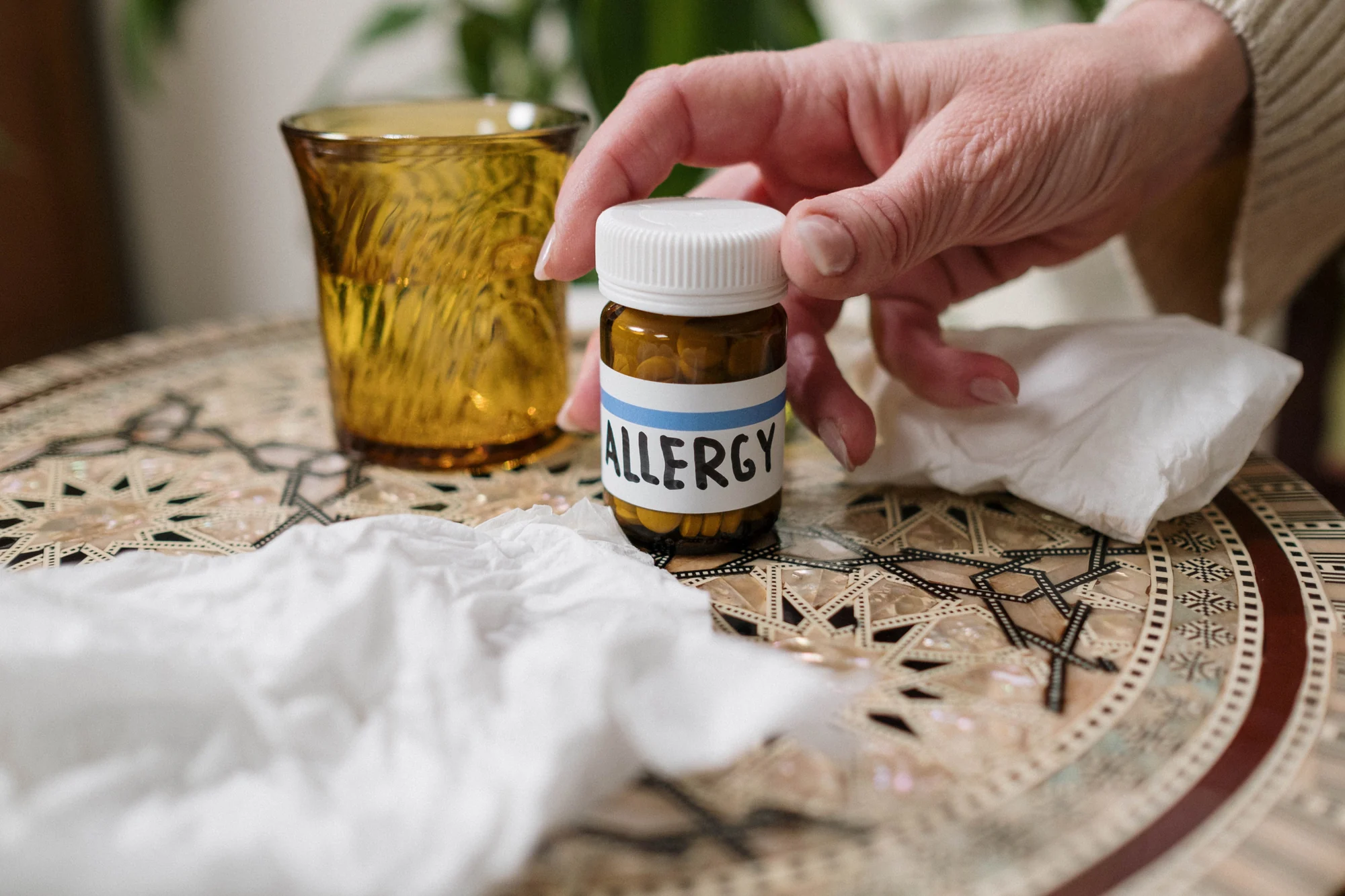
Food allergies are immune system reactions to specific food proteins and vary in severity from person to person. Lactose intolerance, general digestive discomfort, and food allergies are not the same thing and have different management recommendations. The most important thing for people with known allergies is to read specific product labels and follow medical advice.
When a brand has multiple product lines, it cannot cover them all with “allergen-free”. Caviar, dairy-based frozen desserts, nut flavours, gluten-containing pizzas and sauces have different sources of risk, and recipes and production environments may vary from specification to batch and batch to batch.
Allergenic substances identified in the formula
First, check the ingredient list and allergen tips to confirm the ingredients related to you, such as milk, eggs, gluten-containing grains, nuts, soybeans, fish, crustaceans, etc. The composition of compound ingredients also needs to be read in detail, not just the main name.
When the names are similar or the translations are unfamiliar, you should not make guesses based on experience. Contact the manufacturer or seller to obtain the latest Chinese labels and technical information, and choose not to eat it if it cannot be confirmed.
Understand cross-contact
Just because certain allergenic substances are not actively added to the product formula does not mean that there is no possibility of exposure in the production environment. Shared equipment, storage, transportation, tools and store operations all require risk assessment and cleaning management.
Precautionary reminders should be based on manufacturer documentation and applicable regulations and should not be expanded or deleted by dealers themselves. For high-risk groups, "may contain" should be taken seriously according to individual medical plans.
Secondary confirmation for dining and family
Restaurants use original packaging and add additional sauces, cheeses, nuts or garnishes, and may use shared stoves and utensils. Allergies should be clearly stated when ordering so that the restaurant can assess whether it can be served safely.
Keep original labels and batches when dispensing at home, and don’t just put powders or sauces into unmarked jars. When preparing food for different people, clean countertops, tools, and hands to avoid cross-use of the same knife or spoon.
What to do when risks arise
People with a history of allergies should develop a personal management plan with their doctor and carry the necessary first aid medications as recommended. If you experience difficulty breathing, tightness in your throat, systemic reactions, or other serious symptoms, seek emergency medical help immediately.
LuxurEat (露意膳) will publish ingredient and allergy information by product and does not use knowledge articles as a medical or purchase guarantee. Any formulation updates should be synchronized to labelling and sales materials so that consumers and professional customers can check before use.
Document Checklist for Professional Procurement
Restaurants and food companies should keep specifications, ingredient and allergen statements, production change notices and contacts when purchasing. Menus or training materials must be synchronized with the current version and old recipe conclusions cannot be used.
Risk assessment may also change when there are changes in raw materials, factories or production lines on the supplier side. Periodic review is more reliable than a one-time request for an "allergen-free certificate."
Don’t try it yourself with substitutes
People with allergies to certain nuts, dairy or grains cannot infer safety simply because a product uses alternative ingredients; the alternatives themselves may also be allergenic and may be produced under different circumstances. Any trial should be based on label confirmation and individual medical regimen.
