
Why China Is Discovering Italian Pizza - and Why Pinsa Creates a New Entry Point
Pizza is already widely known in China, which changes the challenge completely. The opportunity is not to introduce pizza itself, but to move the conversation from generic fast food toward regional styles, dough technique, ingredient quality and newer Italian formats such as Pinsa.
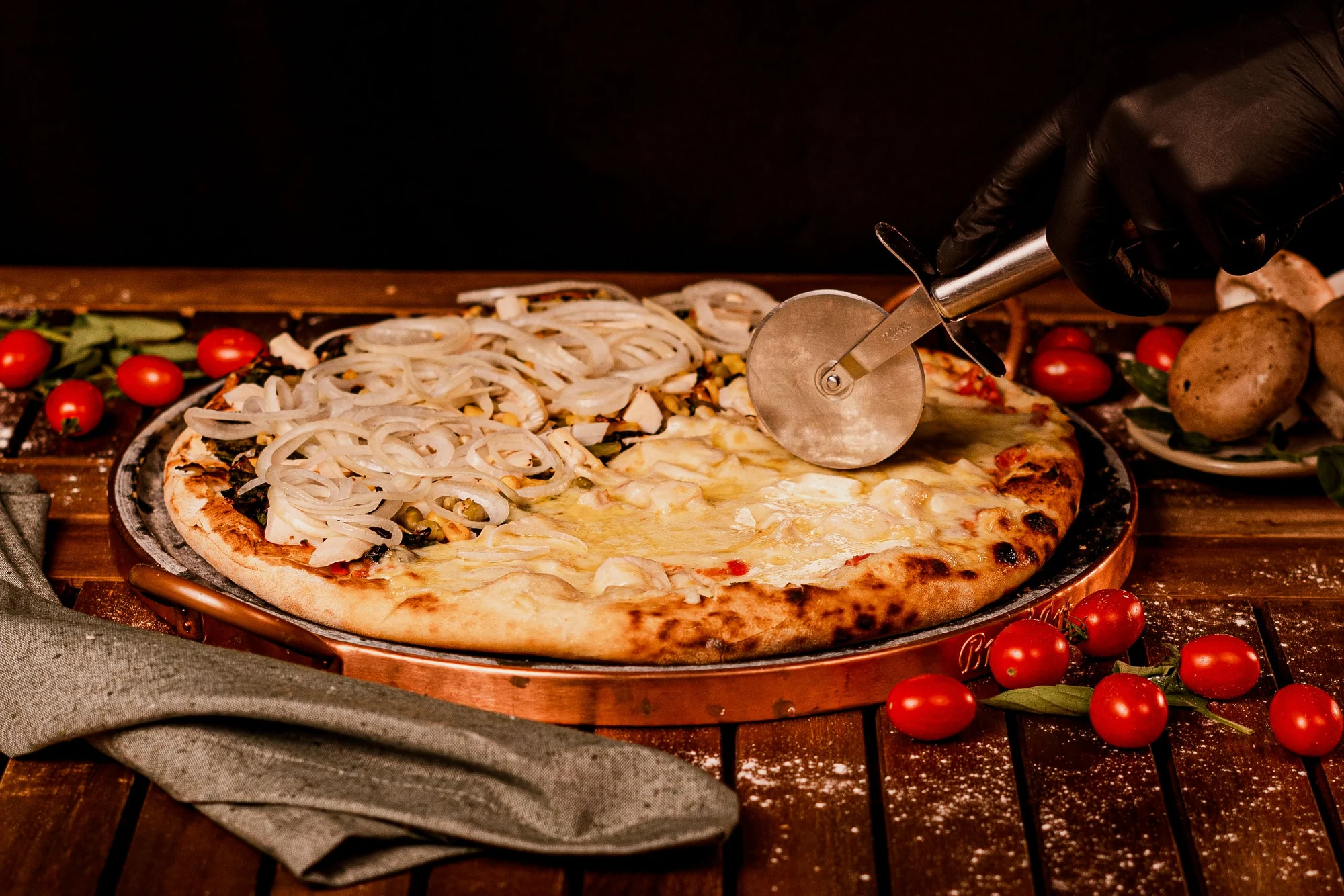
Pizza Is Familiar; Italian Pizza Culture Is Less Familiar
Large international chains helped make pizza a mainstream category, but they also created a simplified image of what pizza is. The Italian landscape is much broader: Neapolitan, Roman round pizza, pizza al taglio, sfincione and many other regional forms differ in texture, preparation and context.
That diversity gives educational content a commercial role. The more consumers understand style, the easier it becomes to explain why flour, fermentation, oven conditions and topping restraint matter.
Craft Is a Point of Differentiation
In major cities, artisan pizzerias and more specialised Italian restaurants have helped create demand for a more technique-driven experience. Consumers who already know pizza can now compare crust, fermentation, flour, tomato, cheese and EVO rather than judging only by topping quantity.
This creates space for products that help reproduce a specific style rather than simply carrying an Italian-looking package.
Pinsa Offers Something New Without Being Alien
Pinsa is useful because it is visually and texturally different, yet still understandable to someone who already likes pizza and flatbreads. Its elongated shape, airy interior and crisp exterior create an immediate point of difference.
The story should emphasise modern Roman innovation and technique rather than exaggerated ancient-origin or digestibility claims. That makes the product easier to defend and more credible.
Home and Professional Opportunities
Flour blends and preparation systems can serve both home cooks and HORECA customers. For home users, convenience and clear instructions matter; for professionals, consistency, storage and menu differentiation become more important.
In both cases, the strongest brand message is the same: identify the Italian style, explain the method, then show how the product helps the user achieve it.
