
Pasta and Risotto Dictionary: Shape, Sauce or Cooking Method?
Italy has an enormous variety of pasta names. For someone discovering Italian cuisine for the first time, they can easily become one vague category: pasta is pasta.
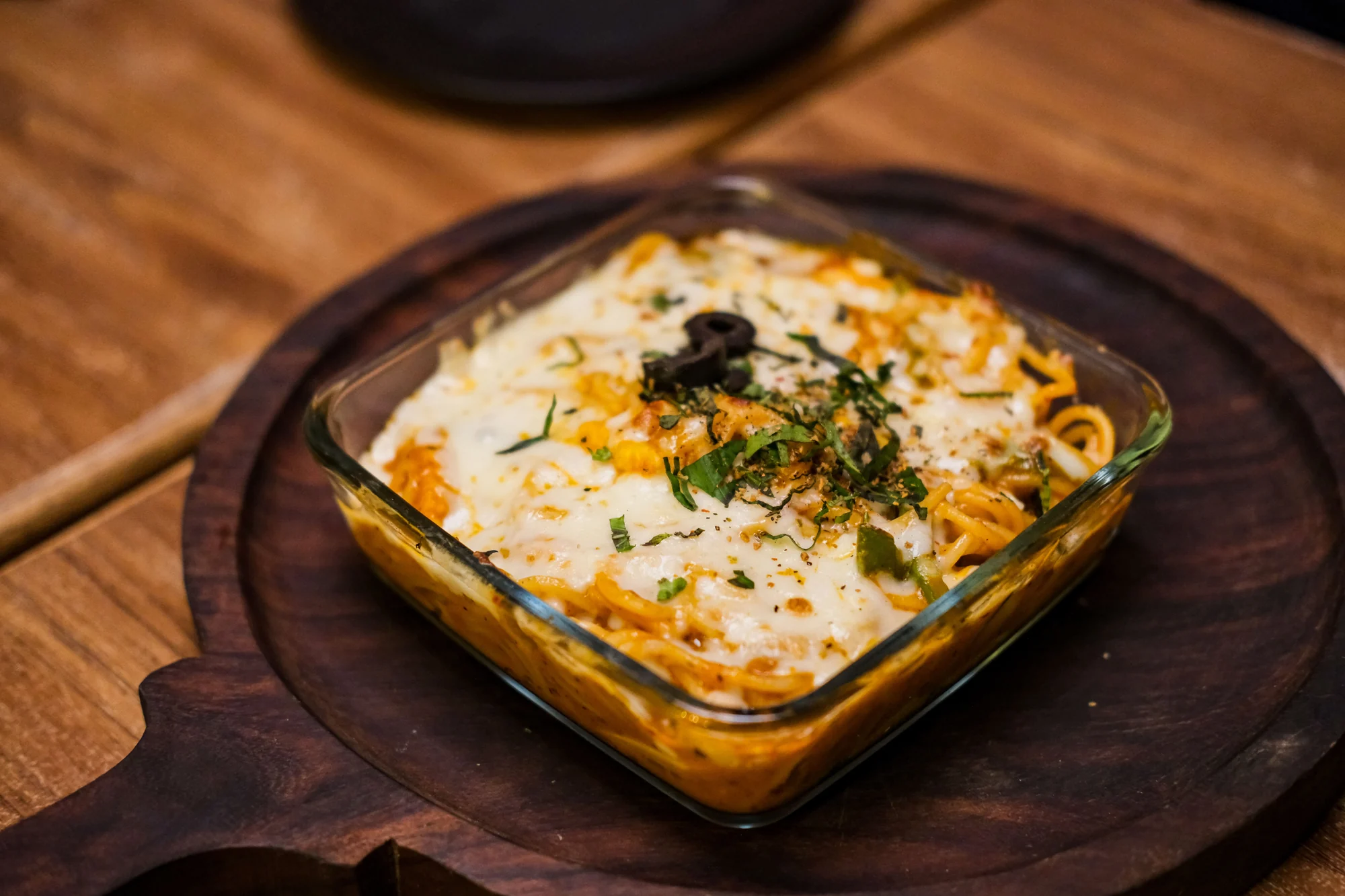
In reality, many of these names primarily describe a shape rather than one fixed recipe.
Once this distinction is understood, Italian menus become much easier to read.
Spaghetti
Spaghetti are long, thin, cylindrical strands.
There is no single “Italian pasta sauce” that must be served with spaghetti.
Tomato sauces, seafood, garlic and olive oil, and many other preparations may all be used.
Linguine
Linguine are long like spaghetti but flatter in shape.
They are often paired with seafood, herbs, and relatively light sauces.
Tagliatelle
Tagliatelle are long, flat ribbons of pasta.
They are strongly associated with the culinary traditions of Emilia-Romagna.
Their broad surface can carry richer sauces particularly well.
Pappardelle
Pappardelle are even broader than tagliatelle.
They are often paired with slow-cooked meat sauces, game, mushrooms, and other substantial preparations.
Penne
Penne are short tubular pasta pieces cut diagonally at the ends.
Penne rigate have ridges on the surface, helping sauce cling to the pasta more effectively.
Rigatoni
Rigatoni are wide tubular pasta, generally larger than penne and frequently ridged.
They work particularly well with meat sauces, tomato, cheese, and baked dishes.
Fusilli
Fusilli have a twisted or spiral structure.
Small pieces of ingredients and sauce can become trapped between the curves, making them particularly effective with textured sauces.
Ravioli
Ravioli are filled pasta.
Possible fillings include:
- cheese;
- spinach;
- pumpkin;
- meat;
- fish;
- regional ingredients.
Ravioli therefore describe a structural category rather than one single flavour.
Gnocchi
Gnocchi are often translated as Italian dumplings.
One of the most familiar forms uses potato and flour.
They are normally served in the same part of the meal as pasta, but their texture and preparation are quite different.
Risotto
Risotto is not simply cooked rice mixed with sauce.
Traditional preparation involves gradually cooking suitable rice with liquid so that the starch contributes to a flowing, creamy consistency.
Al Dente
Al dente literally means “to the tooth.”
It describes pasta or some grains cooked so that they retain a noticeable but pleasant bite.
It does not simply mean undercooked.
LuxurEat(露意膳) Perspective
When LuxurEat(露意膳) introduces pasta sauces, extra virgin olive oils, truffle products, and other Italian ingredients, the pasta shape can become part of the recommendation.
A chunky sauce may work well with pasta capable of capturing pieces of ingredients, while lighter olive-oil or seafood preparations may suit long pasta.
Understanding the pasta shape turns a simple product recommendation into a clear culinary explanation.
