
Classic Flavours: How Italian Gelato Expresses Its Ingredients
Start with milk, vanilla, chocolate, coffee, hazelnuts, pistachios and fruits to understand how different ingredients change sweetness, texture and aroma.
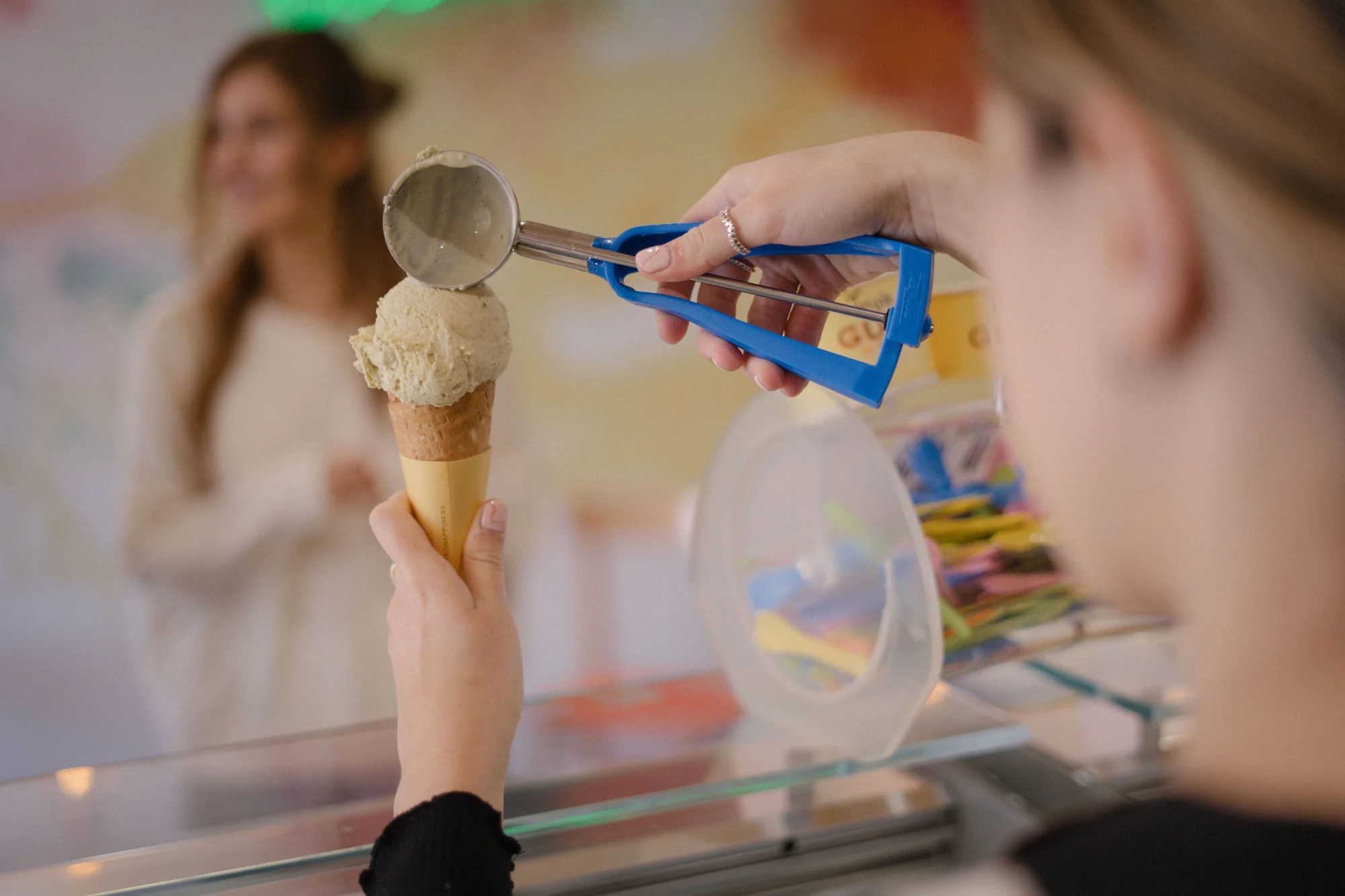
Low temperature will slow down the release of aroma and change the sweetness experience, so a good Italian gelato cannot just rely on adding sugar or essence to make the taste louder. Recipes need to respect the fat, moisture, acidity, fiber and cocoa or nut solids of the ingredients before adjusting for freezing and serving conditions.
Classic flavours endure because they clearly demonstrate craftsmanship: milk tests cleanliness and balance, chocolate tests cocoa and sweetness, nuts test roast and oil, and fruit tests ripeness, acidity and seasonality.
Milk vs. Vanilla: A deceptively simple benchmark
The taste of milk is not blocked by strong ingredients, and the frankincense, sweetness, ice crystals and aftertaste are all straightforward. If there are slight problems with raw material quality, heating processing and cold chain, peculiar smell or rough feeling will be easily detected.
The sources and forms of vanilla are different. The labelling and usage of pods, extracts and natural flavours should be based on the product information. A good vanilla flavour should blend with the milk base, rather than just leaving a single sweet aroma.
Chocolate and Coffee: Bitter-Sweet Structure
Chocolate flavour requires a balance of cocoa solids, cocoa butter, other fats and sugars. Darker colour does not necessarily mean higher cocoa content, the name and ingredients do. Bitterness, acidity, roasted aroma and sweetness need to remain distinct at low temperatures.
The roasting degree, extraction method and amount of coffee added will affect the aroma and moisture. Over-roasting or over-roasting may leave you with a burnt and bitter taste, while under-roasting may result in loss of recognition after freezing.
Hazelnuts and Pistachios: The reality of nuts
Nuts contain more fat and solids, which can significantly change viscosity, freeze and melt. Roasting can develop aroma, but excessive roasting will cause burnt bitterness; improper storage may also cause oxidation and stale flavour.
Pistachios are not naturally fluorescent green and the colour can vary depending on variety, roasting and recipe. When choosing, you should pay more attention to the ingredients, aroma, fineness and whether there is greasiness or fragrance, rather than pursuing exaggerated colour.
Fruit and Seasons: Moisture and Acidity Challenges
The water, sugar and acid content of strawberries, lemons, peaches, berries, etc. are obviously different and cannot share the same ratio. Ripeness changes flavour and also changes the amount of sugar and solids that need to be added. Fruit sorbets usually do not use milk as the main body, but the specific formula still needs to confirm allergens and cross-contact.
When LuxurEat (露意膳) introduces flavours, it distinguishes between ingredient facts, sensory descriptions and product information. The common flavours are enough to demonstrate the professionalism of Italian gelato: real, clear, not overly covered, and maintaining a delicate level in every bite.
Make a four-flavour comparison
Choose four categories: milk, chocolate, nuts and fruits, take only a small amount each time, and record them in order from colour, first aroma, sweetness, fineness to aftertaste. Drink water and pause in the middle to avoid the sugar and fat from the previous meal continuing to affect your judgment.
Comparison can help consumers understand recipe differences and also help stores adjust menu levels. The greater the number of flavours, the more professional it is. Clear ingredients, rhythmic rotation and stable batches are more important.
About colours and naming
Flavour names should be consistent with actual ingredients and applicable labelling. The colour can come from the raw materials themselves or coloring ingredients used in accordance with the law. Consumers should confirm it through the label, rather than judging by empirical methods such as "the more natural, the darker." Store displays should also avoid decorations that suggest key ingredients that are not used.
