
From territory to table: reading an Italian ingredient
A useful ingredient profile connects origin, variety, processing, storage, flavour and use.
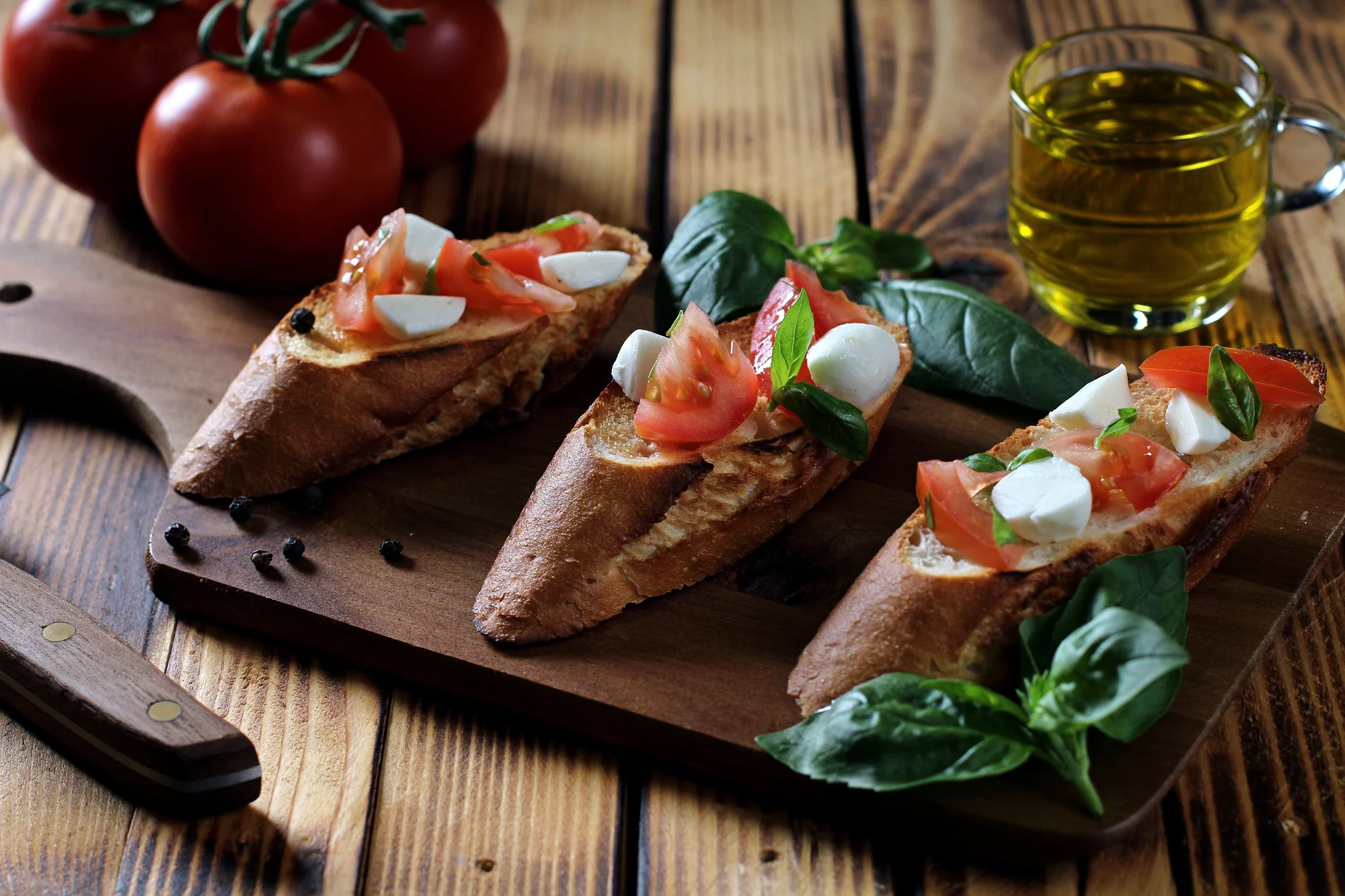
A product name is not enough. Clear information shows where an ingredient comes from, how it is made, where it fits, and which details must still be checked on the label.
Six questions
Where does it come from? Which variety? When was it harvested or made? How was it processed? How should it be stored? Where does it work best?
Make technical information clear
Specifications, allergens, nutrition and certifications must follow the product file; education does not replace a label, regulation or professional advice.
Connect product and recipe
Once readers understand an ingredient's character, they can choose pairings, portions and methods more naturally.
Start with the formal name
Separate the generic food name, commercial brand, legal category and sensory description. Words such as traditional, artisan or natural can be meaningful only when their scope is explained. Begin with the official name, ingredient list, net quantity and responsible producer before interpreting promotional language.
This order prevents an evocative picture or place name from carrying more evidence than it actually contains. A beautiful territory can shape an ingredient, but the finished product is also affected by variety, maturity, processing, batch and storage.
Read origin and processing together
Origin offers clues about climate, agriculture and local knowledge; it does not make every product from a region taste identical. Where a protected geographical indication is used, check the correct symbol and specification. The scheme links a name to territory and know-how, not to a universal flavour score.
Extraction, milling, fermentation, maturation, drying, salting and heat treatment can change structure and shelf life. Product education should explain the purpose of the process and its likely effect, while precise temperatures, grades or certifications must come from current labels and technical files.
Storage is part of quality
Light, heat, oxygen, moisture and time affect foods differently. Chilled products require an uninterrupted temperature chain. Readers should check both unopened and after-opening instructions rather than relying on the date alone, and should stop using a product if packaging or condition suggests a safety problem.
Correct handling after purchase allows the work of the producer to reach the table. In professional kitchens, batch records and opening dates also make it easier to identify whether a problem arose in supply, storage or service.
Move from flavour clues to use
A description can suggest aroma, texture, acidity, salinity or pungency, but an application must also consider serving temperature, dish intensity and portion. Good pairing advice explains the role of an ingredient instead of simply listing expensive companions.
LuxurEat (露意膳) links articles, recipes and product pages for different purposes: articles teach a judgement framework, recipes demonstrate use, and product pages carry current ingredients, allergens, formats and storage facts. When they differ, the latest formal product file takes priority.
A six-point check before purchase
First identify the product category and responsible operator. Second read the ingredient list and allergen information. Third check origin claims and any protected name. Fourth review the production or quality details that the manufacturer actually documents. Fifth confirm dates, storage and after-opening instructions. Sixth consider whether the format fits the intended use.
Sensory language becomes more useful after these facts are clear. Fruity, toasted, floral, saline or pungent descriptions are not safety guarantees and may vary by batch, temperature and age. They help anticipate a style, but the opened product must still be judged in the conditions in which it will be served.
Traceability is also practical after purchase. Keep the lot code when testing a product professionally, record opening dates and avoid decanting without identification. If quality changes unexpectedly, these details help distinguish a production issue from transport, storage or kitchen handling.
When online copy, an old brochure and the physical label disagree, use the latest authorised product information and ask the responsible company for clarification. A trustworthy supply relationship makes updates visible instead of allowing attractive but obsolete claims to circulate.
