
Italian food is more than one flavour
A starting point for understanding Italy through climate, landscape, history and the family table.
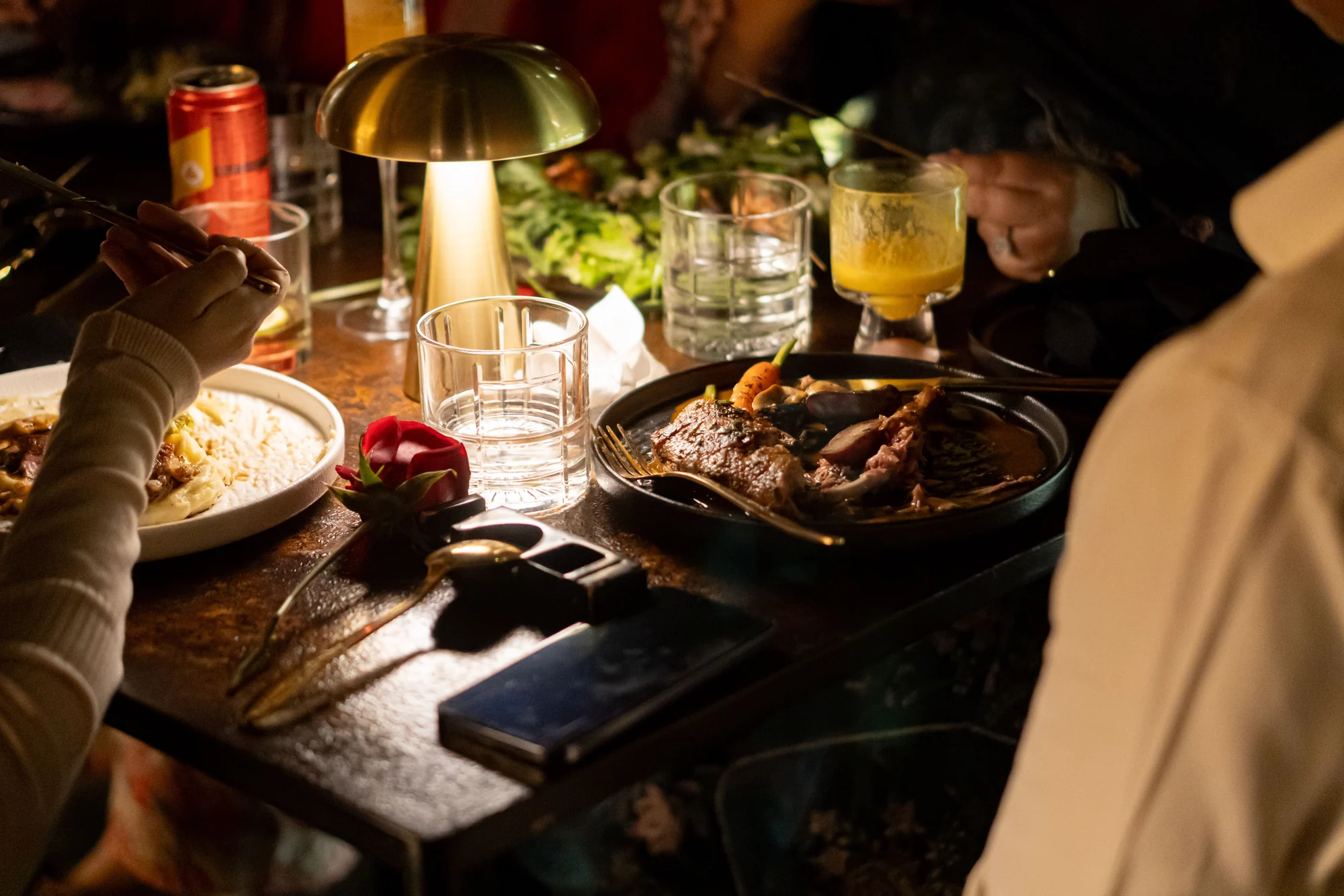
Italy cannot be reduced to one menu. Every place writes its grains, vegetables, cheeses, fish, olive oil and preservation methods into everyday food.
Land shapes ingredients
Alpine valleys, the Apennines, plains, coastlines and islands create different agricultural rhythms. To understand a dish, begin with its territory.
Tradition can move forward
Italian family recipes change with seasons, household size and urban life. Tradition is respect for ingredients and method, not a frozen answer.
From knowledge to the table
LuxurEat connects origin, flavour, technique, pairing and use, then places products back into real table occasions.
Geography belongs to the recipe
Italy's mountains, plains, lakes, long coastlines and islands create very different growing and eating conditions. Alpine dairy traditions, rice from the northern plains, coastal fish, durum wheat in the south and olive cultivation across many regions are useful starting points, but they are not rigid borders.
The same ingredient may appear in several regions and the same dish may have many household versions. Regional knowledge should help us ask better questions about origin, season and method, rather than reduce a living food culture to a list of stereotypes.
Season and preservation shape flavour
Before modern refrigeration, drying, salting, fermenting, preserving in oil and slow cooking helped families extend the life of seasonal food. Many flavours now described as traditional developed through practical responses to harvest cycles, transport and storage, not through a single national recipe.
Modern kitchens can use safer equipment and reliable supply while still respecting maturity, temperature and proportion. Tradition does not require recreating past hardship; it asks us to understand why a method developed and what sensory or practical role it still performs.
Why family recipes have no single answer
Household recipes are often transmitted through observation: dough is judged by elasticity, sauce by consistency and soup by what the season provides. Portions change with the number of people at the table. Variation between towns and families is therefore evidence that a tradition remains in use, not proof that one version is false.
A reliable explanation identifies the region, ingredient conditions and decisive steps. It tells readers what can change and what the method is trying to achieve. That is more useful than declaring one formula universally authentic without explaining its context.
Bring local knowledge back to the table
Learning about territory ultimately improves selection, storage and use. The origin and structure of an oil, flour, cheese or preserved ingredient can suggest whether it suits dressing, baking, slow cooking or a final aromatic finish. Product labels and current technical information remain essential.
LuxurEat (露意膳) connects cultural background with practical application: verifiable facts first, then sensory and kitchen guidance. Italian food is united less by identical flavours than by attention to ingredients, timing, craft and the social value of sharing a meal.
How to read claims about authenticity
Authenticity is most useful when it identifies a place, period, community and method. A statement such as ‘this is the only Italian way’ deserves caution when it does not explain those conditions. Italy's regional and household traditions developed through migration, trade and changing access to ingredients, so continuity and adaptation often exist together.
For a packaged product, cultural authenticity and product compliance answer different questions. A compelling origin story cannot replace the ingredient list, allergen declaration, storage instructions or responsible operator. Readers should be able to enjoy the story while still checking the current label and technical information.
When adapting a recipe, preserve the function of its decisive steps. A dough needs enough fermentation to develop structure; an emulsion needs the right relationship between fat and water; a finishing oil needs a moment when its aroma remains perceptible. Local equipment and serving habits can change without erasing that purpose.
A good cultural article therefore separates documented history, living practice, sensory interpretation and brand-specific facts. This makes room for regional diversity and gives readers practical criteria they can verify in their own kitchen.
