
Italy's twenty regions: a map of the table
From Piedmont to Sicily, twenty regions carry distinct climates, ingredients, traditions and table languages.
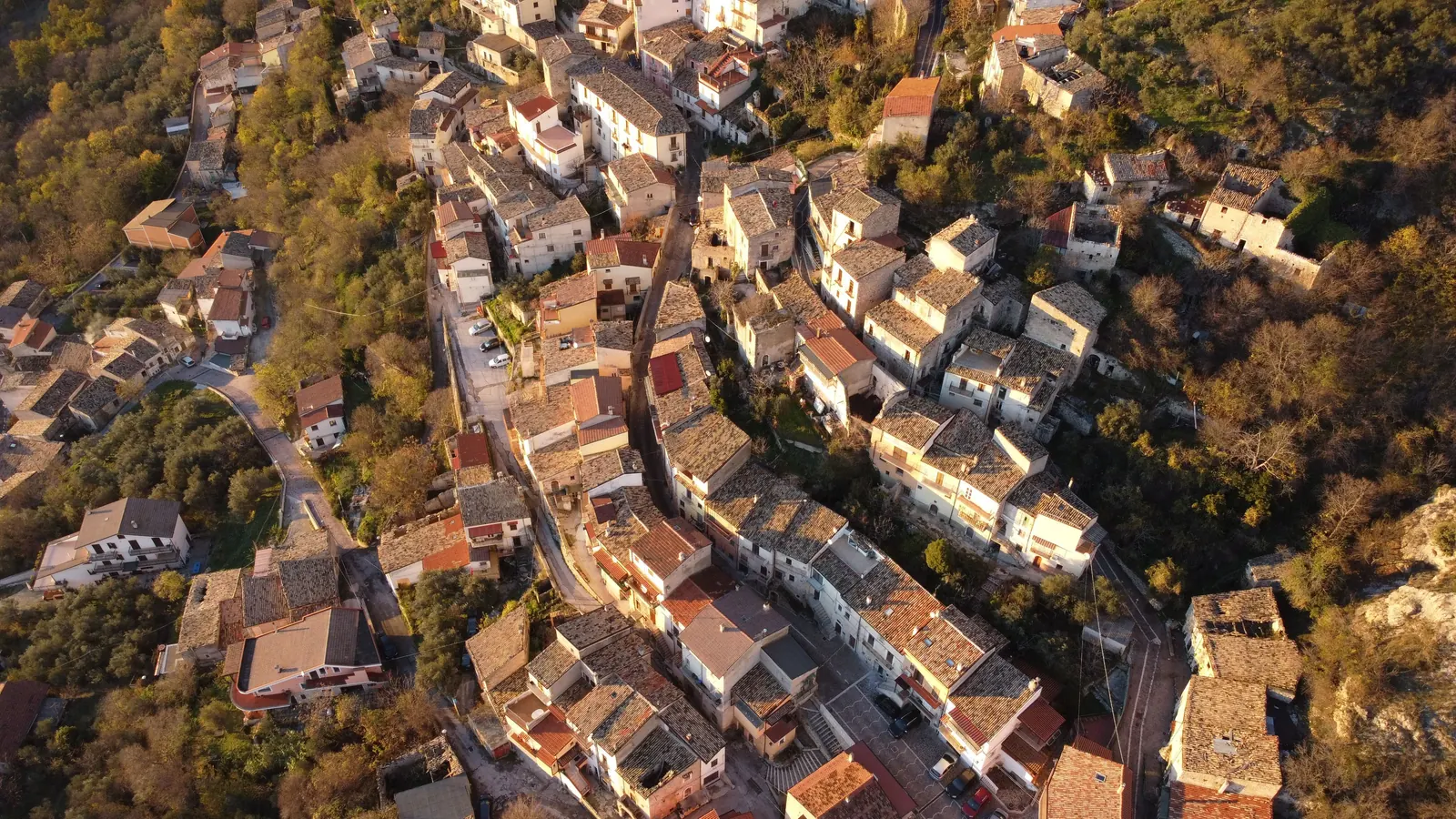
Regional difference is not simply a north-versus-south split. Cities, valleys, coastlines, islands and historic trade routes all change the way a place tastes.
The north
Piedmont, Lombardy, Veneto and Liguria bring together mountains, lakes and coastlines, with cheeses, rice, corn, nuts, fish and delicate sauces.
The centre
Tuscany, Umbria, Lazio and the Marche value grains, beans, olive oil, game and roasting, where rural and urban tables meet.
The south and islands
Campania, Puglia, Calabria, Sicily and Sardinia express Mediterranean light through tomatoes, citrus, wheat, fish and spice.
How to use the map
A region is not a ranking. It is a flavour clue; final judgement still depends on cultivar, harvest, producer and product information.
The northwest: mountains, plains and ports
Valle d'Aosta, Piedmont, Lombardy and Liguria span Alpine valleys, the Po plain and a narrow Mediterranean coast. Dairy products, rice, maize, hazelnuts, wine grapes, seafood and aromatic herbs appear in different combinations. Calling all northern food rich or heavy hides these important contrasts.
Even within one region, altitude, province and local economy matter. A Piedmontese hill town, a Lombard rice area and the Ligurian coast lead to different ingredients and cooking choices. A regional name should be the beginning of research, not the end.
The northeast: borders, lagoons and fertile land
Trentino-Alto Adige, Veneto, Friuli-Venezia Giulia and Emilia-Romagna connect mountains, the Adriatic and major agricultural plains. Polenta, rice, fresh pasta, cured foods, cheese and fish reflect both geography and long histories of exchange across political and linguistic borders.
Neighbouring places may use different fats, pasta shapes and seasoning traditions. It is more accurate to connect a dish to a particular city, valley or household than to assume that one template describes the entire northeast.
Central and southern Italy
Tuscany, Umbria, Marche and Lazio combine hills, pasture, valleys, coast and powerful urban traditions. Bread, pulses, olive oil, sheep's-milk cheese and handmade pasta vary with local supply. Rome and Florence also show how city markets continually reshape food from their surrounding territories.
Abruzzo, Molise, Campania, Puglia, Basilicata and Calabria include mountains, long coastlines, volcanic areas and extensive farmland. Durum wheat, vegetables, pulses, tomatoes, dairy products, fish and olive oil form many regional systems. Pizza and dried pasta are famous expressions, but never the whole story.
The islands and how to use the map
Sicily and Sardinia each have a strong identity, yet they should not be merged into one island cuisine. Sicily reflects layers of Mediterranean exchange alongside citrus, grains and elaborate sweets; Sardinia combines pastoral traditions, cereals and marine resources in its own ways.
Use the twenty regions as coordinates for further checking. For an actual product, read the label, producer information, geographical-indication rules where relevant and current storage guidance. A regional name can explain context, but it cannot guarantee quality or replace sensory judgement by itself.
From a regional name to a useful choice
A region on a map is only the first layer. Province, altitude, distance from the coast, soil, variety, harvest date and producer practice can all change a food. Two oils, cheeses or wines carrying the same broad regional reference may therefore have very different aromas and uses.
Protected designations can define origin and production requirements for a specific name. They should be read through the official specification and the mark shown on the actual product. They are not a general ranking of every food made in that territory, and they do not remove the need for correct storage and batch control.
For menu planning, begin with the conditions of the ingredient in front of you. A delicate oil may suit vegetables and final seasoning, while a more assertive one may stand beside pulses or grilled food. A flour's protein and milling information matter more to dough behaviour than a romantic image of its region alone.
Travellers and home cooks can use regional maps to compare rather than collect stereotypes: note the climate, staple ingredients, common preservation methods and meal structure, then confirm each product through its label. This turns geography into a practical reading tool.
