
Olive Oil on an Empty Stomach: Nutrition, Tolerance and Myths
Explain drinking olive oil on an empty stomach from the perspective of energy, tolerance and dietary structure, distinguishing personal habits, nutritional facts and unproven effects.
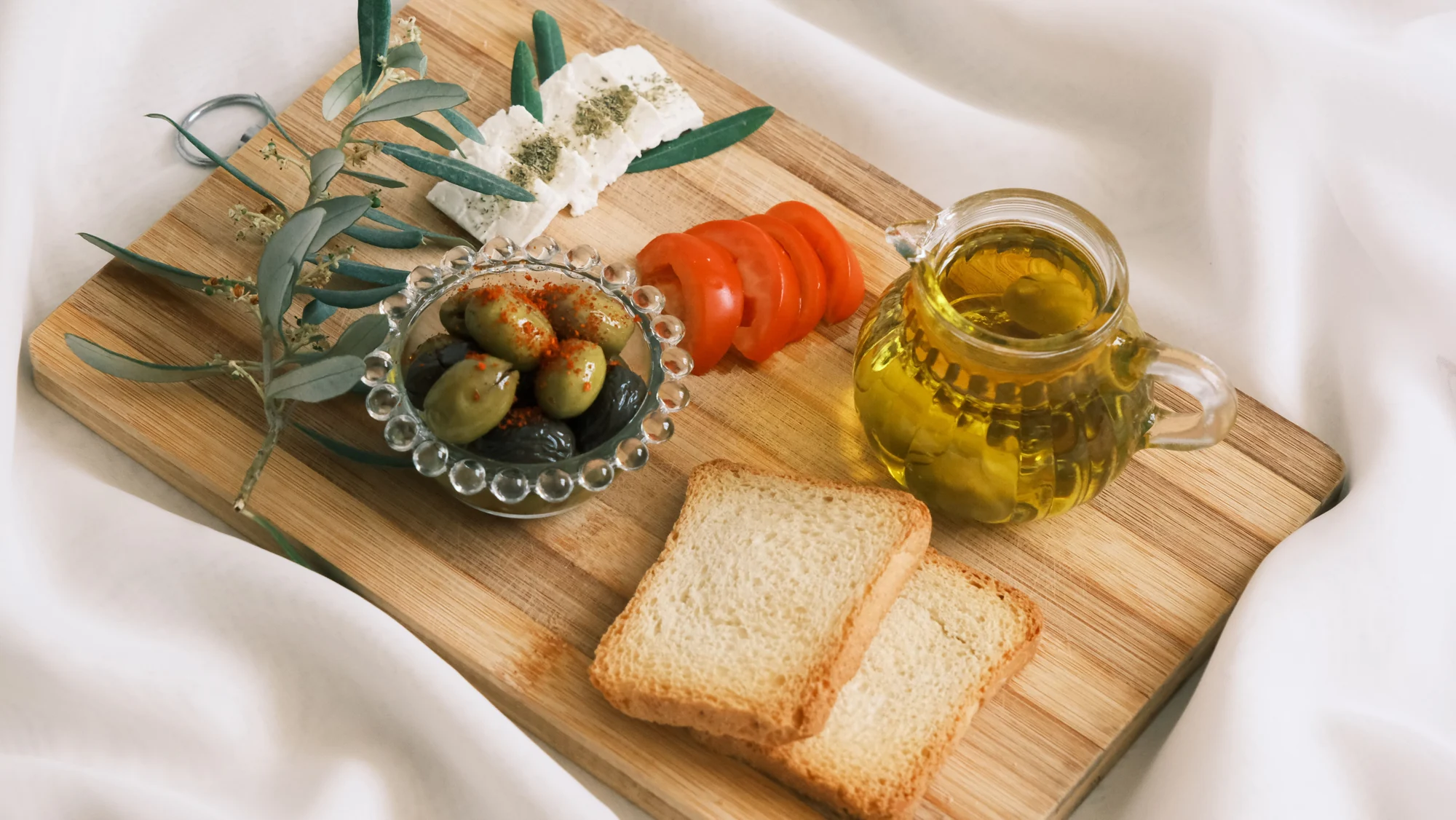
Drinking olive oil on an empty stomach is often described on the Internet as a way to detoxify, protect the stomach, or lose weight quickly, but a single ingredient cannot bear these complex results. Olive oil is still a high-energy fat, and consuming it on an empty stomach does not turn it into a drug, nor is it automatically better than adding moderate amounts of oil to vegetables, legumes, and meals.
Some people tolerate drinking it as is, while others experience nausea, acid reflux, abdominal discomfort, or changes in bowel movements. Individual feelings can be recorded, but general health conclusions cannot be directly derived; qualified medical professionals should be consulted if symptoms persist or if there are underlying medical conditions.
Nutritional value will not be magnified by fasting
Olive oil is mainly composed of unsaturated fats, and this composition does not magically change over time. What’s more important is what it replaces in your diet throughout the day, how much is used, and whether the overall diet contains enough vegetables, fruits, whole grains, legumes, and the right amount of protein.
If you drink oil directly, it will only increase the amount, but the butter, fat meat and fried food in the meal will not change, and the total energy will increase accordingly. Using oils to improve the palatability of healthy foods is often more practical than swallowing them alone.
why some people feel different
Oil entering the digestive tract will affect gastric emptying and gallbladder contraction, and individual tolerance varies greatly. Short-term changes in feelings of fullness, lubrication, or bowel movements do not equate to “eliminating toxins” and do not demonstrate long-term effects.
The amount you drink, whether you drink coffee at the same time, sleep, content of the previous meal and psychological expectations can all affect the experience. To observe, keep portion sizes small and record variables, and don't increase dosage quickly.
What situations require caution
People who have gallbladder, pancreatic, gastroesophageal reflux or other digestive system problems, are taking medication, are pregnant, or need to strictly control energy should not rely solely on online articles to make decisions. Children and older adults also have different needs.
If you experience persistent pain, vomiting, severe diarrhea, or other abnormalities, stop trying and seek medical help. This article provides general dietary information only and does not provide diagnosis or treatment.
A more secure daily approach
Use a small amount of extra virgin olive oil on tomatoes, leafy greens, bean soup, whole grains, fish, or grilled vegetables to observe flavour and portion sizes. It's easier to manage with a measuring spoon than pouring directly into your mouth by feel.
If you like to eat it early in the morning, you can include it in your breakfast or meal without giving it special effects when you’re fasting. LuxurEat (露意膳) recommends considering olive oil as a quality ingredient, used in a varied, balanced and moderate diet.
How to spot exaggeration
If a piece of content promises short-term detoxification, clearing of blood vessels, treatment of constipation, or weight loss without other dietary changes, check first to see if reliable research, appropriate populations, and risk statements are provided. The nutritional effects of ordinary food cannot replace diagnosis and treatment.
More credible recommendations tend to be restrained in tone and discuss portion size, substitutions, personal differences, and uncertainty. It may be less dramatic, but it's closer to an everyday, actionable healthy choice.
in conclusion
Whether to drink it on an empty stomach can be a personal habit, but it is not a criterion for measuring the value of olive oil. A safer long-term approach is to spread reasonable portions across a variety of meals and adjust based on body weight, activity level and body response.
