
Olive Oil in Everyday Cooking: From Bread to Pasta
From breads, salads, and beans to pasta and grilling, understand the different roles olive oil plays in seasoning, transferring heat, emulsifying, and finishing dishes.
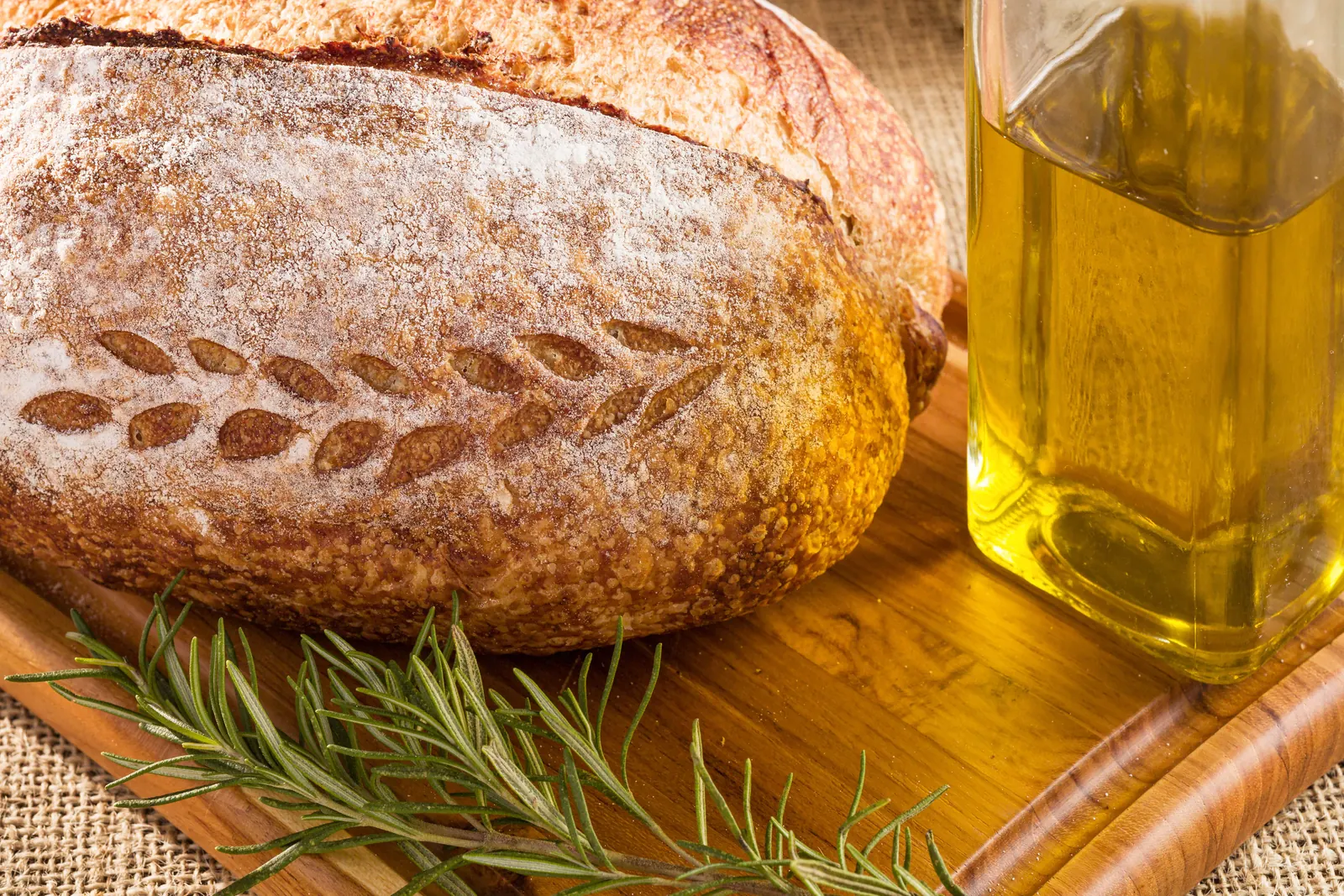
When olive oil comes into a recipe, it's not just "add a little oil." It carries aromas, connects sauces, helps heat the surface, and provides a fresh, fruity aroma right before serving. Only by clearly stating the time of addition, temperature and dosage can the same bottle of oil be reproducible stably in both home and professional kitchens.
The recipe should be based on the ingredients and the target taste, rather than overdoing it to highlight the oil. Light oil, green spicy oil and mature fruity oil have their own places; if you only have one bottle, you can also distribute the dosage through the three stages of raw use, low-temperature blending and cooking.
Bread and raw food
Fresh bread with olive oil is the best way to directly observe the aroma and bitterness. Drizzle a small amount of oil first before deciding whether to add salt, tomatoes or herbs to avoid seasoning all at once to cover the oil. Tomato toasted bread can create clear layers of sweetness, sourness, burnt bread aroma and fruity aroma of oil.
Working with the salt and acid first in the salad, then slowly adding the oil and stirring, results in a more even coating. Oil and vinegar will not permanently emulsify, but mustard, cheese or the ingredients of the ingredients themselves can help temporarily stabilize it; specific allergens should be labelled with the recipe.
Beans, soups and vegetables
Bean and root starch can take on the bitterness and pungency of olive oil, and a small amount of raw oil can add aroma and fluidity to the thick taste. For soups, it is suitable to use part of the oil to stir-fry the basic ingredients, and reserve the other part for cooking.
The oil used for roasting vegetables should be thin and even. Excessive oil will prevent the surface from dehydrating and burning. Record the oil usage by weight or portion first, and then adjust it according to the baking pan, moisture content and temperature. This is easier to reproduce than writing "appropriate amount" in general.
Pasta and Sauce
Olive oil, cooking water, and cheese or other sauce ingredients can be stirred to form a temporary emulsification that allows the sauce to adhere to the noodles. The key is to control the amount of water, temperature and stirring, rather than relying on lots of oil to create the shine.
Garlic, chili peppers and herbs release their flavour at moderate temperatures without burning the garlic or herbs. Adding a more fruity oil at the end retains the volatile aroma and reduces loss caused by prolonged heating.
Create your own fuel meter
Record the oil type, dosage, adding time and results for frequently cooked dishes, such as "how much for each portion before baking, and how much to add when serving". The catering side can also record batches and bottle opening dates to facilitate cost and flavour consistency management.
LuxurEat (露意膳)'s recipes present olive oil along with relevant product links, serving sizes, allergens and alternatives. When substituting oils, re-judge flavour and heating performance rather than assuming that all vegetable oils are identical.
How to resume playback after heating
For the same dish, you can record the aroma before and after cooking: if you can barely smell the oil characteristics when you cook it, you can reduce the amount used in the first stage and leave a small portion until the dish is finished; if the bitterness and pungency overwhelm the ingredients, switch to a softer style or reduce the amount of oil poured at the end.
A recipe is not a fixed order, but a set of proportions that can be verified repeatedly. By weighing and recording, the "appropriate amount" is converted into a range suitable for your pot, portion size and oil.
Substitutions and Allergy Tips
Replacing butter with olive oil changes the frankincense, moisture content, and texture, and isn't always a one-for-one replacement; baking recipes especially need to be retested. If a recipe also uses cheese, nuts, fish or gluten-containing bread, the relevant allergens should be listed separately and cannot be omitted because olive oil itself does not contain these ingredients.
