
Pasta: shape, sauce and timing
Pasta is not one product; shape, dough, sauce and cooking method together define the final bite.
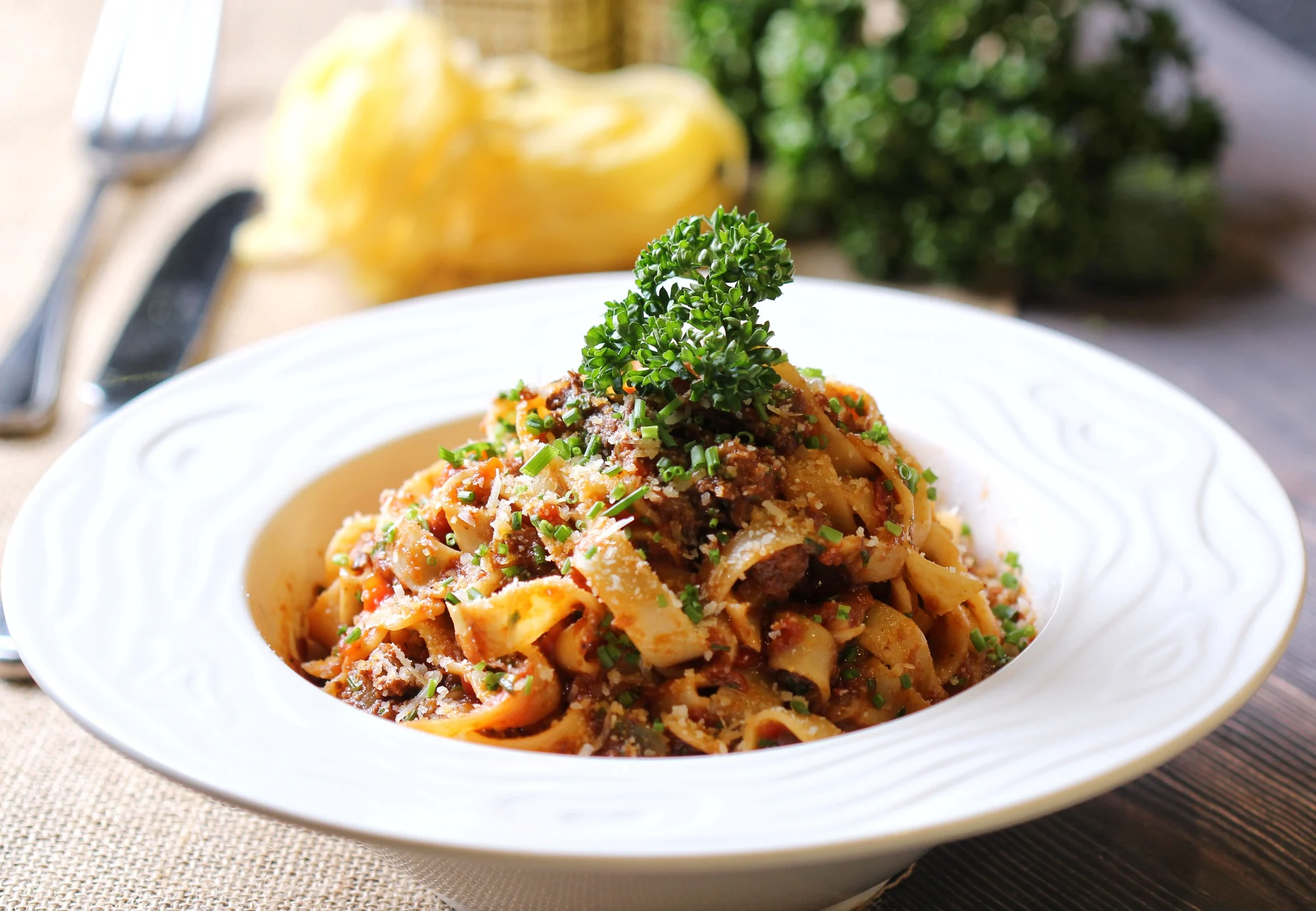
Choosing pasta is not only about the name. Thickness, surface and shape affect sauce adhesion and the rhythm of the bite.
Shape and sauce
Thin pasta suits light, fluid sauces; tubes and ridged shapes carry meat, cheese and vegetable pieces.
Pasta water is part of the flavour
Starchy pasta water helps fat and cheese form a smoother sauce when added gradually.
The dish keeps changing
Pasta continues to absorb sauce off the heat, so finish tossing and plating while it still has a little bite.
Fresh and dried pasta serve different purposes
Dried pasta is commonly made from durum-wheat semolina and water, giving it structure and storage stability. Fresh pasta may contain common wheat, durum wheat, egg or water, depending on regional practice. Fresh does not automatically mean better; the dish and sauce determine the useful choice.
Read the actual ingredient list and cooking instructions, especially for filled pasta or products containing egg. Shape, thickness and moisture all influence timing and the texture achieved at the table.
Shape changes how sauce is carried
Long strands can wrap around fluid or emulsified sauces; tubes and ridges catch particles and thicker mixtures; broad ribbons give more emphasis to the pasta itself. These are working principles rather than laws that make experimentation impossible.
Look at particle size, viscosity and richness before choosing a shape. A sauce should connect to the pasta rather than sit as a separate pile, and its intensity should leave the grain flavour and bite perceptible.
Cooking water is an ingredient
Boiling water must heat pasta evenly, but pot size, quantity and early stirring also matter. Salt should be adjusted for cheese, cured ingredients and the final sauce. A fixed quantity cannot fit every recipe.
Starch released into the water helps oil and liquid form a sauce that adheres. Reserve some and add it in small amounts; pouring in too much at once makes concentration harder to control.
Finish in the pan and taste
Package timing is a useful starting point, not a mechanical answer. Thickness, water volume, altitude and time spent in the sauce affect the result. Pasta that will finish in the pan should be removed early enough to retain structure without a raw, floury centre.
Toss pasta briefly with sauce, adjusting water and heat until the coating is continuous. Cheese, egg or delicate herbs may need lower heat. The finished dish should be served promptly, because repeated or prolonged reheating softens pasta and can split the sauce.
Choose sauce by behaviour, not prestige
A sauce should meet the pasta in a way that can be carried through the bite. Long strands suit sauces that cling in a thin, continuous layer; tubes and ridged shapes can hold thicker or chopped components; filled pasta often needs a restrained dressing that does not hide the filling. These are useful tendencies, not absolute laws.
The cooking water helps because it contains starch released from the pasta, but more is not automatically better. Add it gradually while tossing and observe whether fat and water form a glossy coating. If the pan is too cool or overloaded, the sauce may remain watery instead of emulsifying.
Salt should be considered across the whole dish. Cheese, cured ingredients, preserved seafood and prepared sauces may already contribute substantially. Taste near the end before adding more, and remember that reduction concentrates seasoning as water evaporates.
A successful plate is judged immediately: the pasta retains the intended resistance, the sauce coats rather than pools, and the serving temperature allows aroma to open. Recording shape, brand, cooking time and finishing method makes the next attempt more accurate. When testing a new pasta, keep the first sauce simple so thickness, surface and cooking behaviour remain visible before adding a richer garnish. Compare the result with the package guidance, then keep the timing that works for the actual pan and serving size.
