
Italian Pizza Begins with the Dough
From flour, water content, fermentation, shaping to oven temperature, understand how an Italian pizza obtains light edges, a flexible center and clear toppings.
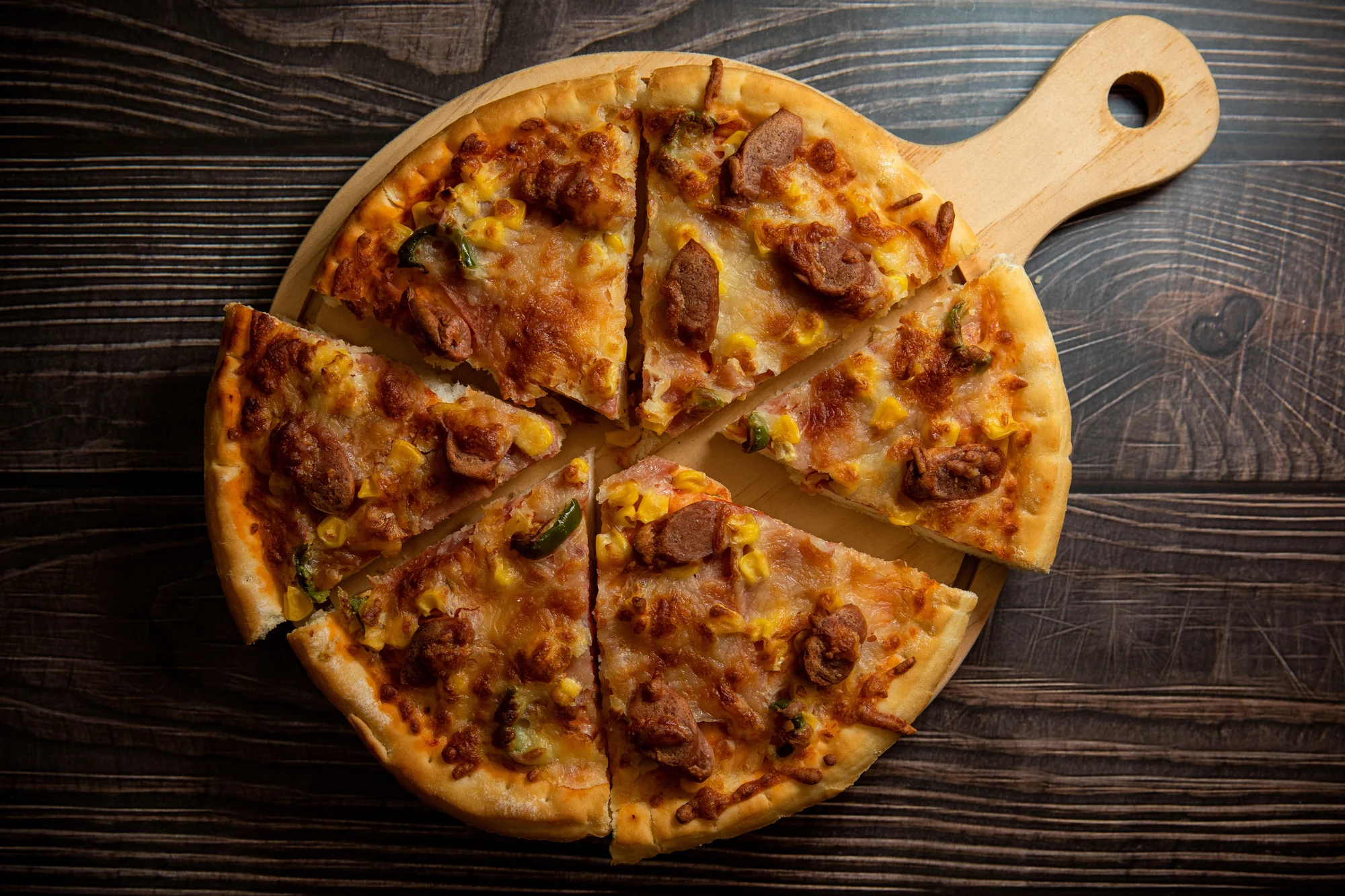
The basis of Italian pizza is not to pile on toppings, but to balance the dough, sauce, cheese and baking in a short time. Taking Neapolitan pizza as an example, industry standards will have clear requirements for raw materials, dough making, fermentation, manual shaping and baking; other Italian styles may use different thicknesses, moisture content and ovens.
Therefore, the so-called "authentic" should not be judged solely by the visual symbols of round shape, focal spots or high temperature. Whether the strength of the flour is suitable for the fermentation time, whether the temperature of the dough is controllable, and whether the water content of the sauce matches the weight of the ingredients determines whether it will be light and elastic in the mouth, or whether it will be soggy, dry, hard or difficult to digest.
Flour, water and salt
The flour needs to have the ability to absorb water and gluten that matches the target fermentation time. It’s not that higher protein is better: too strong may make it difficult for the dough to stretch, while too weak may result in insufficient support. There is also no universal number for moisture content. It is affected by flour, equipment, environmental humidity, operating experience and finished product style.
Salt not only provides flavour, but also affects gluten and fermentation rhythm. The water temperature helps control the temperature of the dough after kneading. For home production, the flour, room temperature and recipe should be fixed first, and then only one variable should be adjusted at a time; the catering side should also record the batch and actual out-of-tank temperature.
Patiently sifting fermentation status
Fermentation time itself is not a badge of quality. The amount of yeast, dough temperature, room temperature or refrigeration conditions should be looked at together. When the fermentation is insufficient, the dough will be tight and the aroma will be thin; when the dough is over-fermented, the structure may become weak, the sour or alcoholic smell will be prominent, and it will be difficult to retain gas during shaping.
Judgment should be based on volume, surface condition, ductility and smell, rather than just looking at a timer. After being divided and rounded, the dough needs to be loose enough so that it can be spread out by hand from the center without using a rolling pin to press the edges.
Sauces, cheeses and toppings
The moisture, sweetness and sourness of the tomato sauce and the amount used will affect whether the center is moist and soft; the moisture content and cutting method of the cheese will affect the melting and water release. Basil and olive oil can play different aroma roles before and after baking, the exact order depends on the oven temperature and recipe.
With each additional ingredient, weight, moisture content and aging time need to be reconsidered. Thinly sliced vegetables, cured meats, or precooked ingredients are treated differently. You cannot rely on extended baking to compensate for heavy ingredients, otherwise the edges of the cake may dry out or burn first. Allergen information should also be confirmed on an individual basis with flour, dairy and processed meat products.
High temperature baking and finished product judgment
The high temperature causes the water in the dough to quickly turn into steam, pushing the edges of the dough to expand and creating a baking aroma. When home ovens are cooler, you can improve heat transfer from the bottom with the help of a well-preheated baking stone or baking steel, but the time and results won't exactly replicate those of a professional oven.
A good char brings aroma and should not be a cover for large areas of bitterness or doughiness. After cutting, observe whether the bottom is mature, whether the center can support the ingredients, and whether the edges of the cake are light and elastic. LuxurEat (露意膳) brings together professional flour, stable ingredients and executable processes to help users understand why Italian pizza is so famous.
