
How to Make Italian-Style Pizza and Pinsa at Home
A domestic oven cannot reproduce every condition of a professional pizzeria, but home cooks can get much closer to Italian-style results by matching the dough, heat and toppings to the style they want to make.
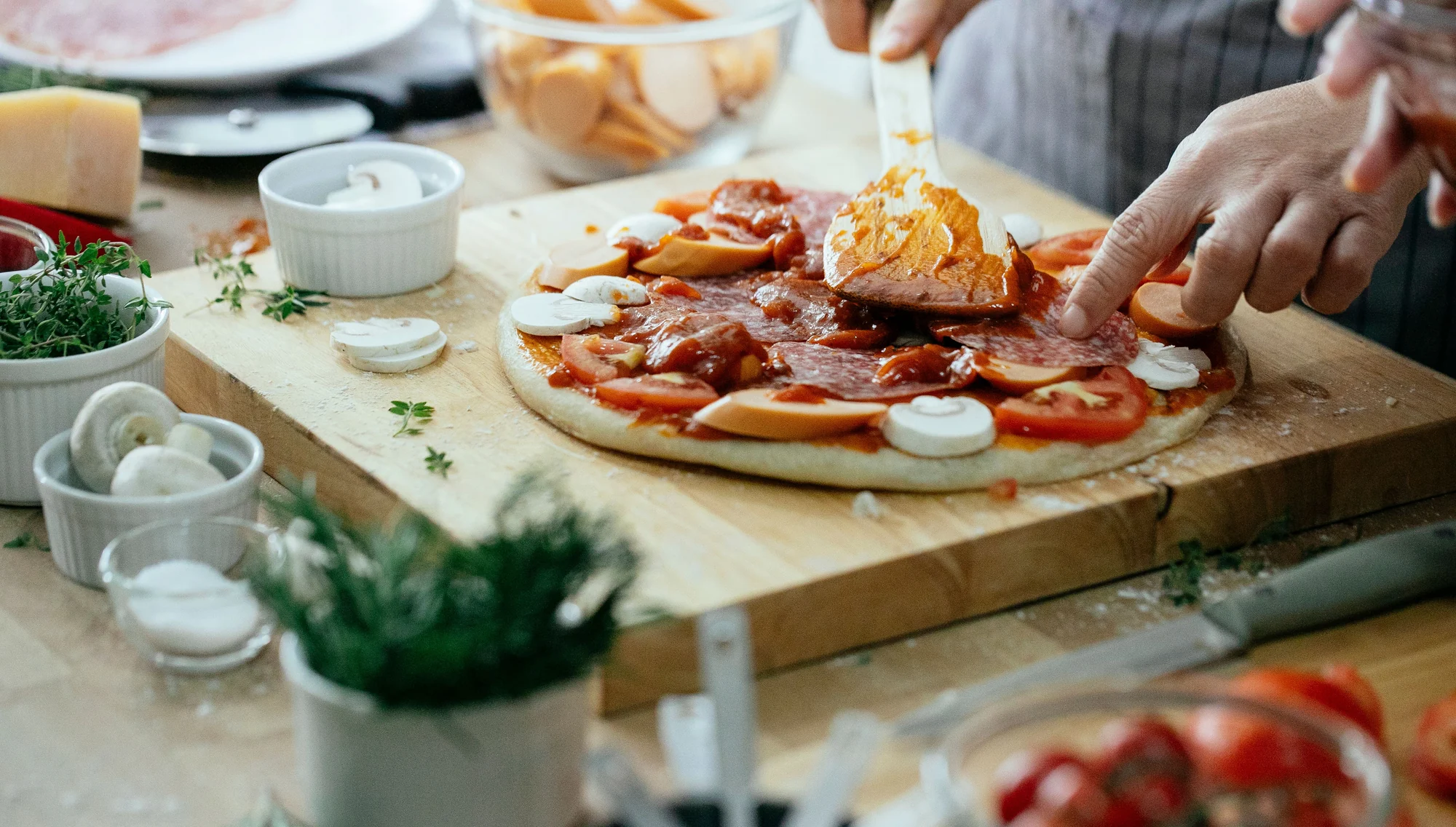
Choose the Style Before the Dough
A Neapolitan-style pizza aims for softness and an airy rim, while a crisp Roman-style pizza or a Pinsa-style base aims for a different texture. A purpose-designed flour or blend can give the home cook a more suitable starting point than one universal dough formula.
Get the Most from a Home Oven
Preheat thoroughly. A pizza stone or steel needs time to store heat, and a short use of the grill/broiler near the end can help with top browning. Because domestic ovens run cooler than professional Neapolitan ovens, adapt the dough and baking time to the equipment you actually have.
For Pinsa: Texture Before Claims
Pinsa-style doughs often use high hydration, longer fermentation and flour blends that can include wheat, rice and soy, aiming for a crisp exterior and light, open interior. Describe that texture directly rather than promising that the product will necessarily be “more digestible.”
Toppings: Less Is More
A classic Margherita demonstrates the logic clearly: tomato, mozzarella, basil and Extra Virgin Olive Oil. Two or three well-chosen toppings will often give a clearer Italian-style result than a heavily loaded pizza.
LuxurEat (露意膳) Application
LuxurEat (露意膳) can support this experience with Italian-inspired flour blends and complementary ingredients for specific Pizza or Pinsa applications. Each product page should clearly state the intended style, allergens and final approved preparation method.
Brand-facing market articles separated from evergreen Academy content.
