
The Neapolitan Pizzaiuolo: Why Making Pizza Can Be Cultural Heritage
Pizza has become one of the world's most common foods. In Naples, however, a pizzaiuolo is more than someone whose job is to place dough in an oven. In 2017, the Art of the Neapolitan Pizzaiuolo was inscribed on UNESCO's Representative List of the Intangible Cultural Heritage of Humanity.
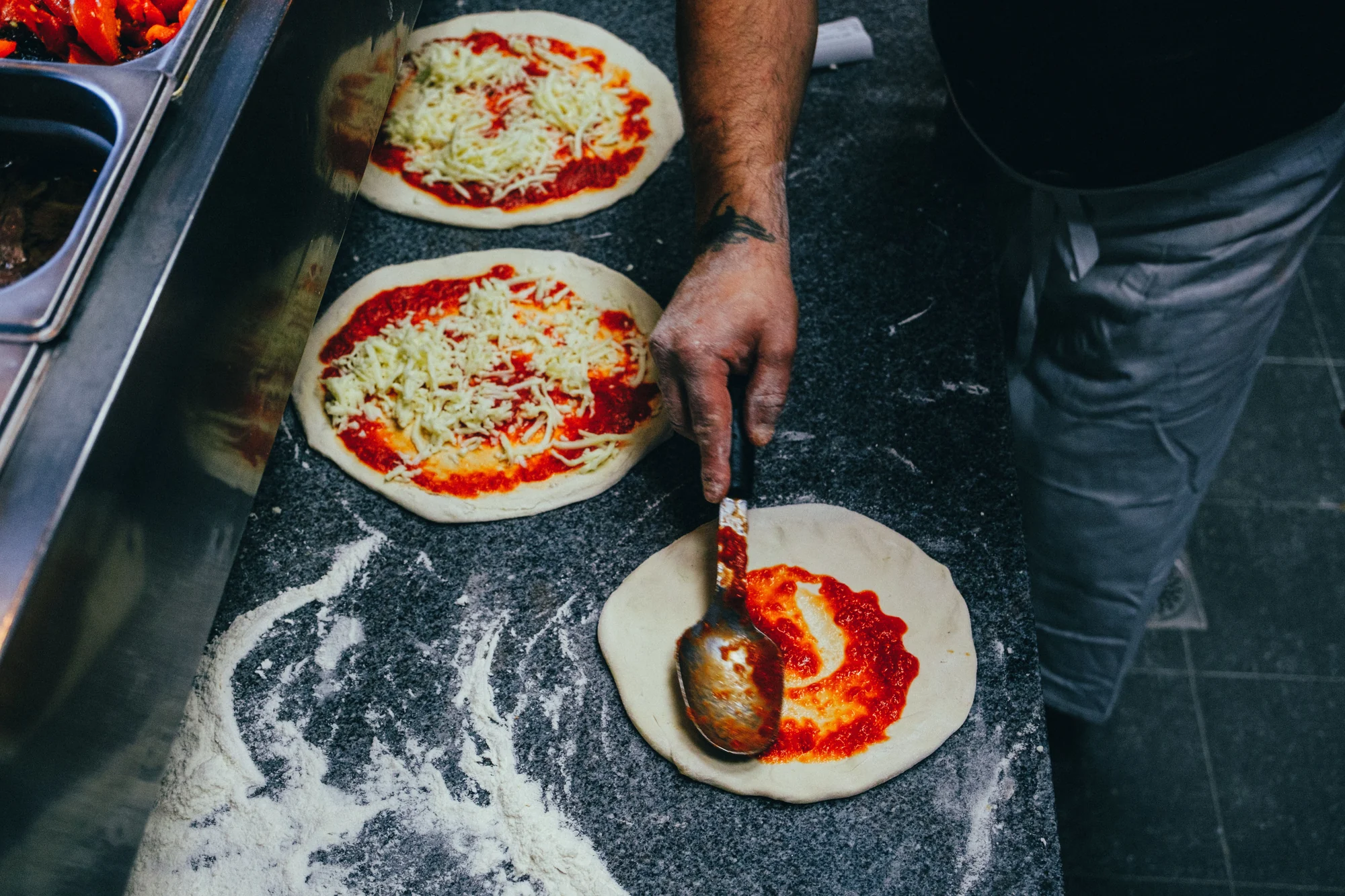
Importantly, the recognition concerns not pizza as an object, but the knowledge, gestures, and social practices of the people who make it.
Dough Changes Through the Hands
One of the defining features of Neapolitan pizza is the contrast between a soft centre and a raised, aerated rim.
Achieving this structure requires more than knowing ingredient weights.
The pizzaiuolo must judge:
fermentation;
dough elasticity;
pressure during shaping;
how to preserve gas in the rim;
and how to extend the dough efficiently.
UNESCO documentation even records characteristic manual gestures used to stretch the dough and form the cornicione.
The Oven Leaves Little Time for Correction
Traditional Neapolitan pizza is baked at very high temperatures.
This leaves little time for hesitation.
Dough thickness, topping moisture, oven position, and rotation all require rapid judgement.
A skilled pizzaiuolo is therefore not simply repeating a recipe.
The craft consists of making decisions continuously.
What the Master Passes On Is Movement
Pizzaiuolo skills have traditionally been transmitted through practice.
Apprentices observe:
how the dough feels;
how it is stretched;
how ingredients are distributed;
how the oven is used;
how the finished pizza is judged.
This is why the tradition is considered living heritage.
A tradition survives not because instructions remain in a book.
It survives because people continue to perform it.
Why Naples Cannot Be Removed From the Story
Excellent Neapolitan-style pizza can now be made in many countries.
But the reason this style developed cannot be separated from Naples, its urban history, street-food culture, workshops, and social life.
A story of origin does not need to claim:
“Only Naples can make pizza.”
It explains:
“Why did this particular pizza culture develop in Naples?”
LuxurEat(露意膳) Perspective
When LuxurEat(露意膳) presents pizza flour, tomatoes, extra virgin olive oil, or related ingredients, the most useful approach is not to put “authentic Italian” on everything.
It is to explain:
which pizza style the product supports;
what texture that style is trying to achieve;
why flour, hydration, fermentation, and oven conditions matter.
Once consumers understand the work of the pizzaiuolo, the ingredients themselves become easier to understand.
