
The Story of Italian Extra Virgin Olive Oil: From Mediterranean Staple to Regional Craft
Olive oil predates modern Italy by centuries, but the Italian peninsula developed an unusually rich regional culture around olive growing, milling, cooking and tasting. Today’s EVO is the modern expression of that long agricultural and culinary history.
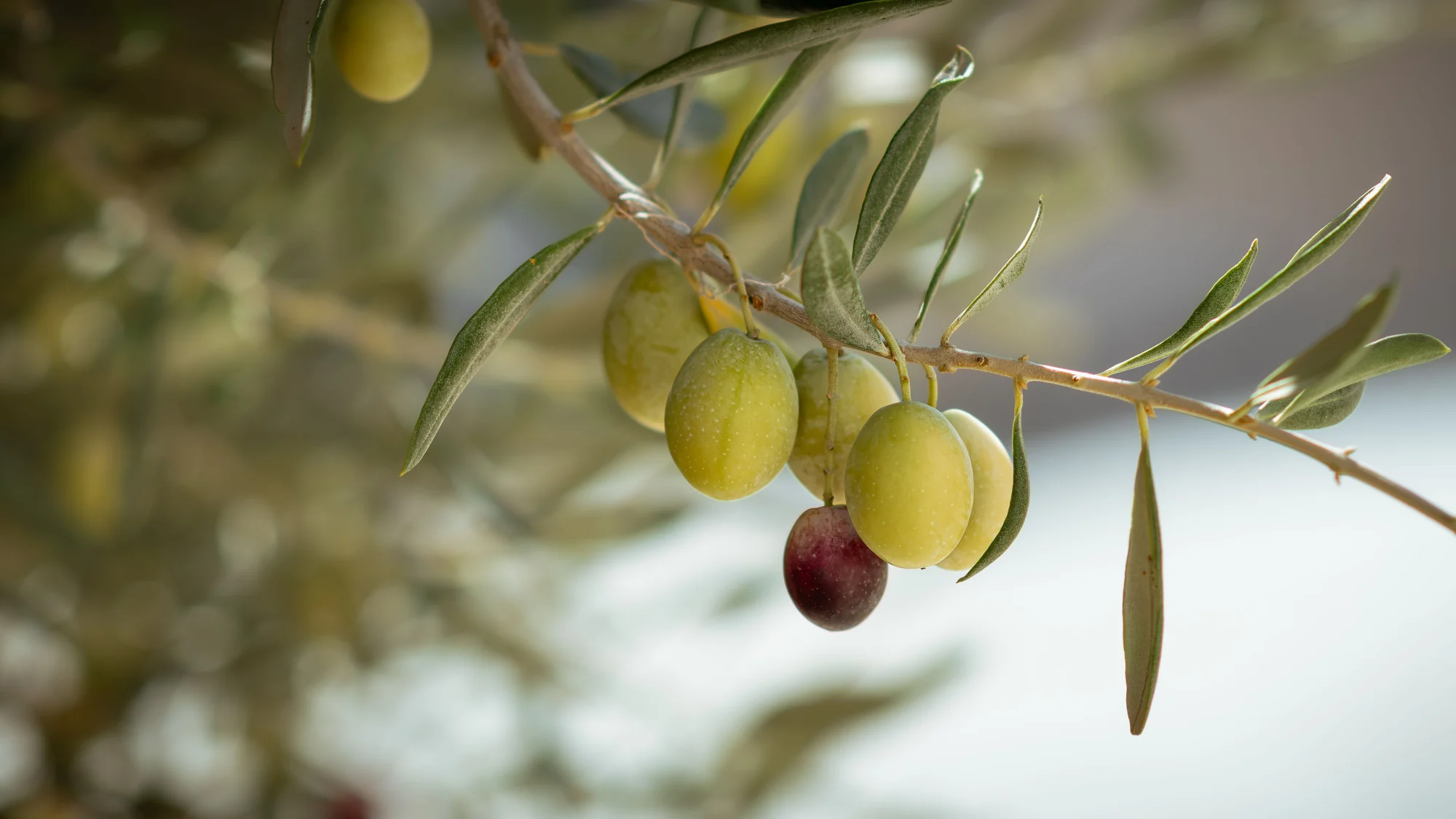
Older Than Modern Italy
Olive cultivation spread through the Mediterranean long before Italy existed as a nation. Greek settlement, Roman agriculture and Mediterranean trade all helped make olive oil an important food, commodity and everyday material on the Italian peninsula.
During the Roman era, olive oil moved through organised trade networks and was used not only in cooking but also in lighting, cosmetics and ritual. Its importance was economic as well as gastronomic.
Regional Identity Took Shape
After the Roman period, olive culture remained highly local. Different areas developed their own cultivars, harvest habits, milling practices and flavour preferences in response to climate, landscape and food traditions.
That regional diversity still defines Italian EVO. Tuscany, Umbria, Liguria, Puglia, Sicily, Calabria, Garda and many other areas produce oils with markedly different sensory profiles. PDO and PGI systems now protect a number of these geographical identities.
From Traditional Judgement to Modern Standards
For much of history, quality was assessed through experience, reputation and taste. During the twentieth century, chemical analysis and formal sensory assessment became increasingly important, and international and European standards created clearer categories for virgin, extra virgin, refined and other olive oils.
This modern framework does not replace craftsmanship. It gives producers and consumers a shared language for discussing a product that is still strongly shaped by agriculture, timing and technique.
Why EVO Is Compared with Wine
A fine extra virgin olive oil can express cultivar, place, harvest and production choices in a way that invites comparison with wine. Tasters speak about fruitiness, bitterness, pungency and aromatic notes; chefs choose different oils for different foods.
The comparison is useful because it moves olive oil away from the idea of a neutral kitchen commodity. The oil itself can contribute flavour and identity to the finished dish.
LuxurEat (露意膳) Perspective
LuxurEat (露意膳) uses this regional approach to present Italian EVO as a product with a place, a producer and a sensory identity. For the Chinese market, that story becomes more credible when it is supported by clear origin information, product documentation and practical guidance on how the oil is best used.
