
Italian table culture: slow down and share flavour
Table etiquette is not about distance; it gives food, time and conversation the attention they deserve.
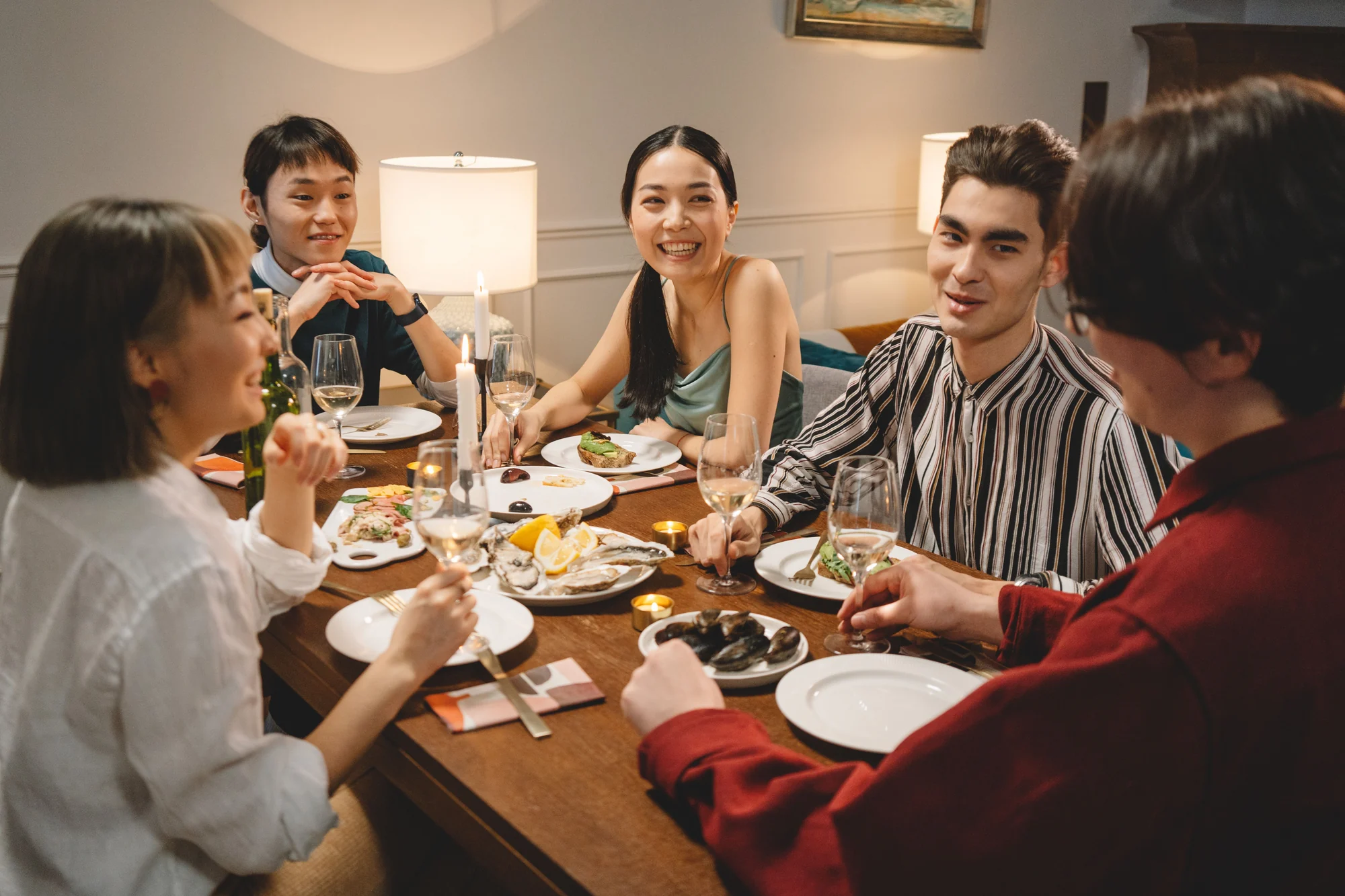
Italian tables often value rhythm, sharing and proportion. Each course has a place, but the essential point is to eat, talk and experience food together.
From antipasto to dessert
A multi-course structure lets flavour unfold gradually. Portions need not be large; rhythm matters more than excess.
Respect the ingredient
Good olive oil, caviar and truffles need the right temperature, tools and portion, not unnecessary decoration.
A Chinese home expression
A family meal can keep the spirit of sharing and ease while adapting to local ingredients, time and household size.
Courses create rhythm, not obligation
Antipasto, first course, second course, side dish and dessert can organise changes in temperature, texture and intensity. Everyday meals often shorten this sequence. At home, two or three well-paced dishes can express the same care without turning dinner into a formal performance.
Serving hot food promptly and keeping chilled food within safe conditions matter more than elaborate plating. Portions can remain moderate so that each stage is enjoyable and conversation is not interrupted by excess.
Sharing and respecting the ingredient
Bread and olive oil appear in different ways across Italy; one restaurant habit should not be treated as a national rule. When dishes are shared, common serving utensils, clear allergen information and attention to each guest's portion are practical forms of modern courtesy.
Concentrated ingredients such as mature cheese, caviar or aromatic oil often benefit from restraint. Establish the main ingredient, then use acidity, freshness or texture as support. Placing several intense, salty or fatty elements together can make every component harder to recognise.
Conversation belongs to the meal
A shared meal provides more than nutrition. It carries memory, hospitality and community. UNESCO's description of the Mediterranean diet as cultural heritage likewise includes knowledge, hospitality and eating together, rather than presenting only a fixed list of foods.
Slowing down does not mean prolonging a meal artificially. It means leaving room to taste, speak and move between dishes. Reducing screen distraction and making sure everyone can participate usually matters more than mastering obscure rules.
Adapt etiquette to people and place
A business lunch, family gathering and casual meal require different levels of formality. Asking about timing, dietary restrictions and sharing arrangements in advance helps hosts plan and allows guests to feel included rather than tested.
Chinese shared-dish traditions can combine naturally with Italian attention to sequence, temperature and proportion. Good etiquette is not a display of cultural knowledge: it is a way to avoid excluding others, respect service staff and make the table comfortable for everyone.
Hospitality includes clear information
Modern hospitality begins before the first course. Asking about allergies, intolerances and dietary preferences gives the host time to plan safe alternatives. Guests should receive enough information to decide for themselves; reassurance such as ‘there is only a little’ is not a substitute for knowing the ingredients and cross-contact conditions.
At the table, serving order can preserve both quality and comfort. Chilled products should not wait unnecessarily at room temperature, and hot dishes should reach guests while their texture is intact. Shared plates need clean utensils and enough space so that portions can be taken without disturbing other food.
Wine or other alcoholic drinks are optional, not a test of cultural knowledge. Water and non-alcoholic choices should be offered without pressure. Likewise, finishing a large portion is not the only way to show appreciation; attentive tasting and respectful conversation often communicate more.
The most durable rule is to notice the people present. Explain unfamiliar dishes briefly, avoid correcting someone publicly and adapt the pace when children, older guests or different eating needs are involved. Etiquette succeeds when it supports conviviality rather than drawing attention to itself. Hosts can label shared dishes discreetly so guests do not need to repeat private dietary questions at the table.
