
Why Does Truffle Often Need Only a Little? Understanding Aroma and Pairing
When people buy truffle or truffle products for the first time, a very natural question often appears: If truffle is so precious, shouldn't we use more of it?
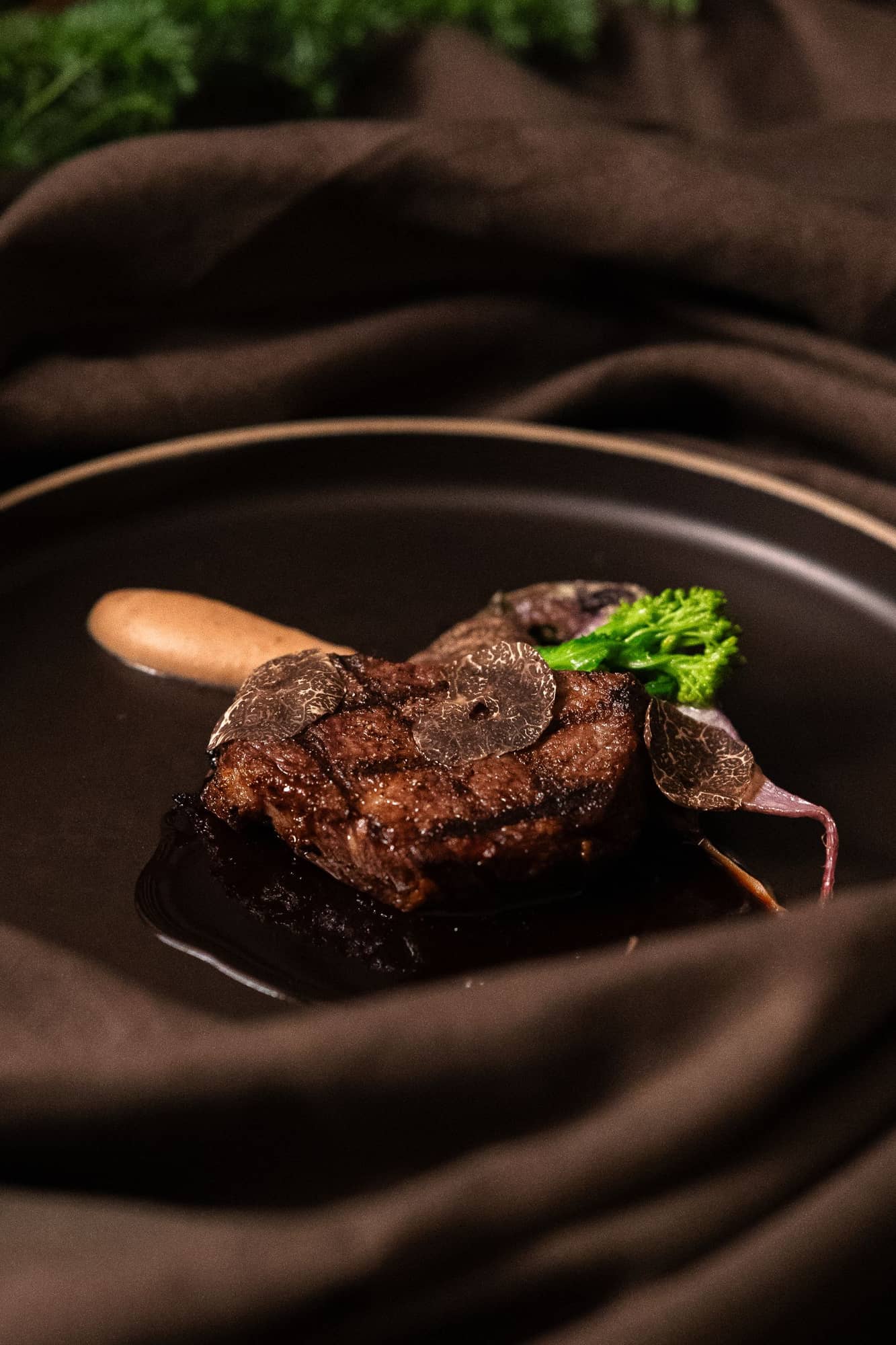
Not necessarily.
Truffle is an ingredient whose identity depends heavily on aroma.
A successful truffle dish is not one in which every other flavour disappears.
The objective is to create an environment in which the truffle can be clearly recognised.
First Principle: Give Truffle a Quiet Background
Many classic truffle dishes are remarkably simple.
Eggs.
Potatoes.
Pasta.
Risotto.
Cheese.
Cream.
This simplicity is intentional.
These ingredients can provide texture, warmth, and richness without automatically overwhelming the aromatic character of the truffle.
A simple plate of pasta with the right balance of fat, salt, temperature, and truffle can communicate the ingredient far more clearly than a dish containing seven or eight competing spices.
When working with truffle, one of the best questions is therefore not:
What else can I add?
But:
What can I remove?
Second Principle: Fat Helps Build the Flavour Experience
Egg yolk, butter, cream, cheese, and olive oil frequently appear in truffle dishes.
They contribute more than richness.
They also influence how aromas are carried and perceived in the mouth.
This helps explain why eggs and truffles have become such a classic pairing, and why risotto, mild cheeses, and cream-based sauces can provide effective foundations for truffle.
Balance still matters.
A very powerful cheese or heavily spiced sauce can easily push truffle into the background.
Third Principle: Temperature Should Serve the Aroma
“Hotter means more truffle aroma” is not a universal rule.
Different truffles and different truffle products respond differently to heat.
With delicate fresh truffles, prolonged high-temperature cooking may alter some of the aromas that the cook is trying to preserve.
For this reason, certain truffle dishes are finished with freshly sliced truffle after cooking, allowing the warmth of the food itself to support aromatic release.
Other preparations involving black truffles may incorporate some heating.
The important principle is not to apply one technique to every truffle.
It is to understand the ingredient being used.
Fourth Principle: Sweetness and Truffle Can Coexist
Truffle does not belong only to savoury cuisine.
Chocolate, honey, cream, and Gelato can all offer interesting possibilities.
Dark chocolate can connect with the deeper aromatic and bitter dimensions of some truffle preparations.
Honey can create a bridge between sweetness and earthy aromas.
A delicate Gelato base can provide a cool, smooth background in which truffle aroma gradually becomes noticeable.
These combinations work not simply because they are unusual.
They work when they follow the same principle as a successful savoury truffle dish:
balance.
The Most Important Rule: Truffle Should Still Be Recognisable
A good truffle dish should not leave the diner remembering only that the flavour was “strong.”
The objective is more precise.
The truffle should remain identifiable while the other ingredients still retain their own character.
This is why truffle often needs only a relatively small amount.
When an ingredient already possesses a strong identity, restraint can be one of the best ways to respect it.
LuxurEat(露意膳) Perspective
LuxurEat(露意膳) wants consumers to understand that knowing how to use truffle is often more valuable than simply knowing that truffle is expensive.
Different products naturally belong to different occasions.
Truffle sauces, truffle seasonings, and innovative applications such as truffle Gelato should each come with a clear culinary logic.
For this reason, LuxurEat(露意膳) product pages can connect directly with recipes, serving suggestions, and practical usage guides.
The consumer is not simply discovering a “luxury ingredient.”
They are discovering an Italian flavour they can genuinely understand and use.
